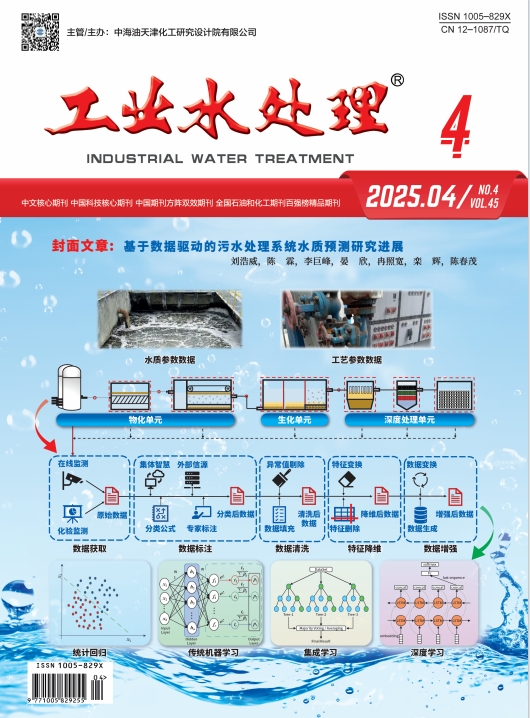
Traditional water quality monitoring methods are time-consuming, costly, and have poor data timeliness, leading to long feedback and adjustment cycles in wastewater treatment systems. With the rapid advancements in artificial intelligence, developing data-driven water quality prediction technologies is of significant importance. This study focused on the collection and processing of big data, the characteristics and applications of water quality data collection, cleaning strategies, and feature engineering methods were summarized. Based on this, the predictive performance and characteristics of different types of water quality prediction models were introduced. Statistical regression models, machine learning models, and deep learning models all demonstrated certain advantages. However, significant differences in data quality across different datasets made it difficult to obtain universal prediction models. By considering the features of big data and data quality, applying reasonable data preprocessing techniques, and utilizing various prediction methods or combinations, the accuracy of model predictions could be significantly improved. Finally, this review summarized the current state of water quality prediction models, existing challenges, and future development directions, aiming to provide a reference for the research, development, and application of water quality prediction models.
N-methyl-2-pyrrolidone(NMP), one of the typical organic compounds in the semiconductor wastewater with high concentration and difficult-to-degrade characteristics, has attracted critical attention of the semiconductor industry. Verifying the characteristics, potential risks and degradation properties of NMP in wastewater is of great significance for the efficient and low-consumption treatment of semiconductor wastewater. The study summarized the sources, concentration and toxicity of NMP in semiconductor wastewater, sorted out the treatment processes, removal effects and degradation pathways of NMP,and discussed the key problems of the existing treatment processes and corresponding solutions. NMP is mainly derived from cleaning agents in semiconductor manufacturing processes, with high concentration and biotoxicity in semiconductor wastewater. Currently, NMP treatment technologies have included physical separation, biological treatment and chemical degradation. However, there are challenges exist, such as incomplete removal and generation of intermediates with higher toxicity. In the future, research is suggested to be carried out on the development of detoxification process and the mechanism of degradation enhancement. It is necessary to focus on the industry chain to realize the whole process control of NMP risk from the aspects of process innovation at the source, resource recovery and enhanced treatment at the endpoint.
A large amount of wastewater is generated during production and various operations in oil and gas fields,and the cost of wastewater treatment is increasing yearly. If oil and gas field wastewater can be directly or simply treated and used for the preparation of water-based fracturing fluids. In that case, it can significantly reduce the amount of freshwater and will inevitably reduce the production cost of oil and gas fields. Therefore, it has significant economic and ecological benefits. This paper revealed the problems and challenges in the preparation of water-based fracturing fluids from oil and gas field wastewater. The progress in the research fields of commonly used guar gum and its derivatives crosslinking systems, cellulose and its derivatives crosslinking systems, synthetic polymer fracturing fluids, clean fracturing fluids, and slick water fracturing fluids was comprehensively reviewed to illustrate the feasibility of utilization of oil and gas field wastewater. It is pointed out that the treatment technology of oil and gas field wastewater and the synthesis technology of salt-tolerant polymers are the keys to promote the preparation of water-based fracturing fluid from wastewater. It provided specific solutions for the resource utilization of oil and gas field wastewater, and look forward to the prospect of related technologies, which provided the direction for the development of wastewater reuse technology in the whole oil and gas field.
The resource utilization of salt-making wastewater(bittern) is crucial for the sustainable development of the salt-making industry. This paper systematically summarizes the main technical routes for bittern resource utilization, including membrane separation, chemical precipitation and ion exchange. The basic principles, process characteristics, and application prospects of each technology are thoroughly analyzed. On this basis, the article focuses on the application potential of bittern resource utilization in extracting valuable elements such as lithium, magnesium,potassium, and boron, as well as in wastewater treatment and CO2 absorption. To address the technical bottlenecks and challenges in bittern resource utilization, this paper proposes a series of forward-looking countermeasures and suggestions, including of developing novel separation technologies that coupled with membrane and chemical methods, designing highly selective ion exchange and chelating materials, and optimizing evaporation crystallization processes. The aim is to achieve efficient utilization of bittern resources and near-zero discharge of wastewater, and to promote the green transformation and sustainable development of the salt-making industry. This article holds significant theoretical and practical value for guiding the resource utilization of salt-making wastewater.
Anaerobic ammonia oxidation(Anammox) process has demonstrated exceptional advantages and promising application prospects in the field of high ammonia nitrogen wastewater treatment. However, Anammox bacteria are highly sensitive to a diverse range of environmental conditions and susceptible to inhibition caused by various types of pollutants, which significantly hinders the widespread application of the Anammox process. This study provides a comprehensive review of the effects of various process operating parameters and inhibitory factors on Anammox bacteria,along with their mechanisms. The objective is to provide valuable insights for future research and engineering applications of the Anammox process. The significance of pH on the growth and metabolism of Anammox bacteria, as well as the inhibitory effect of free substrates caused by pH changes, should not be underestimated. Additionally, it is worth noting that cold shock proteins can mitigate the adverse consequences of low temperatures on Anammox bacteria to a certain extent. Meanwhile, diverse Anammox bacteria exhibit multiple strategies to effectively withstand oxygen in both natural and engineered ecosystems. Low concentrations of organic compounds facilitate the formation of a robust synergistic relationship between Anammox bacteria and heterotrophic bacteria. Notably, one of the primary ways in which Anammox bacteria adapt to salinity stress is by either synthesizing or transporting compatible solutes,or by actively absorbing salt. Low concentrations of heavy metal ions can induce Anammox bacteria to secrete a significant amount of extracellular polymers as a defense mechanism against stress. However, a major portion of the energy generated by Anammox bacteria is allocated towards removing intracellular metal ions.
The treatment effect of anaerobic biological method on the wastewater containing high concentration of polyvinyl acetal fiber(vinylon) was studied by using the spiral symmetry stream anaerobic bioreactor(SSSAB), and the types of organic matter in the wastewater were determined. The test results showed that when the influent COD was about 30 000 mg/L, the influent ammonia nitrogen was 11.0 mg/L the hydraulic retention time was 2.0-7.0 d, and temperature was 10-20 ℃, the COD removal rate was maintained at 18.0%-40.5%, the effluent pH was 7.5-9.5, and the effluent ammonia nitrogen was 19.3 mg/L. By GC-MS analysis, the study also found that a large number of long carbon chain organics(2-octanol, 2-octanol) were completely degraded by SSSAB in the influent, but not detected in the effluent, which indicated that SSSAB had a good organic degradation effect. During SSSAB operation, sludge washing out and disintegration were not observed, and it could run stably for a long period of time.
This study isolated and acclimatized a benzene-degrading bacterium, Bacillus cereus YJ-2, from contaminated sites using benzene as the sole carbon source,and biochar coupled with microbial technology was used to enhance the degradation of benzene-containing wastewater. By optimizing the degradation conditions of YJ-2, the degradation effects on different substrates was investigated, the optimal biochar addition was determined, and the benzene degradation capability of the coupled system was assessed, expecting to obtain bio-materials with promising applications. Results showed that under the optimized conditions of pH=8, OD600=0.2, temperature of 30 ℃, and initial benzene concentration of 500 mg/L, YJ-2 exhibited the best benzene degradation efficiency. It also showed degradation rates of 77.5% for toluene, 59% for ethylbenzene, 72.3% for chlorobenzene, and 61.8% for ortho-dichlorobenzene. Furthermore, the optimal biochar addition in the coupled system was determined to be 0.5 g/L,achieving a degradation rate of 100% for 1 000 mg/L benzene, while enhancing YJ-2's ability to degrade 1 500 and 2 000 mg/L benzene by over 20%. When applied to simulated real wastewater, the degradation efficiency of the coupled system was significantly higher compared to using YJ-2 alone. Notably, in high concentrations of 1 000, 1 500, 2 000 mg/L, YJ-2's degradation activity decreased by 26.8%, 21.5%, and 4.95%, respectively, while the coupled system increased by 31.7%, 12.65%, and 15.55%. These results indicated that biochar coupled with YJ-2 technology provided a viable method for addressing benzene pollution in the environment.
In this study, a strain that can degrade phenolic compounds was screened from aerobic activated sludge and named as Pseudomonas sp.LST11. The efficient degradation characteristics and driving mechanisms of this strain on two refractory phenolic compounds(2,6-dichlorophenol and p-chloro-m-cresol) under phenol-mediated degradation were experimentally investigated. The results showed that the inhibition period of 2,6-dichlorophenol and p-chloro-m-cresol on bacteria was shortened by 84 h and 96 h, and the average degradation rate was enhanced by about 5.9 and 7.6 times respectively, compared with that of the non-mediated group. The study further explored the mechanism and showed that the secretion of extracellular polymer substances and the level of total antioxidant capacity of the strain could be effectively elevated under the stimulation of phenol during the mediation period. The total amount of polysaccharides and proteins secreted by the strain reached to 87.7 mg/L and the total antioxidant capacity level reached to 2.11 mg/L. The total amount of polysaccharides and proteins secreted by the strains decreased to 17 mg/L and the level of total antioxidant capacity decreased to 1.26 mg/L after the mediated strain was transferred to 2,6-dichlorophenol for 4 h. The extracellular polymer substances secretion and the level of total antioxidant capacity of the strains were significantly reduced,and the strains showed a similar response profile to p-chloro-m-cresol, which showed that the strain could adapt to the toxic environment more quickly after being mediated by phenol. In addition, phenol mediation effectively contributed to the rise of phenol hydroxylase and catechol 2,3-dioxygenase activities to peaks 72-96 h earlier, and the activities were enhanced 1.58-1.88 times. The average degradation rates of 2,6-dichlorophenol and p-chloro-m-cresol were increased from 0.7 mg/(L·h) and 0.5 mg/(L·h) in 132 h to 4.1 mg/(L·h) and 3.8 mg/(L·h) in 24 h, respectively.
Iron tailings were used as raw materials to prepare poly aluminum ferric silicate(PSAF). The effects of the molar ratio of Al-Fe-Si, curing temperature and curing time on the flocculating properties of PSAF were studied respectively to determine the best conditions for the preparation of flocculant. Finally, the prepared flocculant was used for the treatment of leather wastewater to explore the best conditions for the treatment of leather wastewater with PSAF flocculant. The results showed that, n(Al)∶n(Fe)=5∶1, n(Al+Fe)∶n(Si)=10∶1, the curing temperature was 40 ℃ and the curing time was 3 h, the properties of the poly aluminum ferric silicate flocculant were the best. When the dosage of PSAF flocculant was 250 mg/L, the pH of wastewater was close to 8, and the stirring time was 8 min,the removal rates of COD, SS, turbidity and total nitrogen in leather wastewater were 83.2%, 93.17%, 94.83% and 51.78%, respectively.
Highly concentrated, toxic and acidic poly(butyleneadipate-co-terephthalate) (PBAT) wastewater load shocks made conventional anaerobic treatment processes challenging. Anaerobic membrane bioreactor (AnMBR) has good load shock resistance, but PBAT wastewater load shock pattern identification had not been established. In this paper, based on the moving average convergence divergence (MACD) algorithm for gas-liquid two-phase parameters, volatile fatty acid (VFA), alkalinity, hydrogen content, methane, and trans-membrane pressure (TMP) difference were selected as the diagnostic indexes for pattern recognition,and the on-line intelligent diagnostic system of AnMBR was established. The results showed that the MACD algorithm enhanced the pattern recognition ability of the state parameters of AnMBR and could filter out the irregular noise fluctuations of the state parameters. The membrane contamination rate (dTMP/dt)=1 was selected as the diagnostic threshold, and by combining the membrane fouling rate and the positive/negative sign characteristics of the MACD indicators, a fast and accurate diagnosis of the impact type was realized, and a comprehensive diagnostic database of the response of multiple MACD indicators was established for mapping the reactor system state, which further strengthened the stable operation of the anaerobic treatment of PBAT wastewater.
The problems in traditional enhanced nitrogen removal process of carbon source dosage, high cost, and unstable operation was solved by heterotrophic-sulfur autotrophic denitrification synergistic process. The results showed that the effluent NO3 --N concentration was lower than the minimum detection limit,and there was no NO2 --N accumulation when the hydraulic retention time was 3 h, the NO3 --N loading was 2.70 mg/(L·h), the exogenous carbon source was 7 mg/L. Under heterotrophic-sulfur autotrophic synergistic conditions, the relative abundance of sulfur autotrophic denitrifying bacteria(Sulfuritalea, Thiobacillus, and Methyloversatilis) was increased and the interactions with mixotrophic denitrifying bacteria was enhanced. The relative abundance of sulfur dispersing bacteria(Treponema) was decreased and interactions with the other bacteria was weakened, which were the main reasons for the reduction of SO4 2- in the effluent.
In this study, ferrous sulfide(FeS) was used to catalyze the degradation of p-nitrophenol(PNP) by ozone. The effects of catalyst dosage, ozone concentration, reaction temperature and solution pH on the degradation efficiency of PNP in FeS/O3 system were obtained by single factor experiments. The results showed that the degradation efficiency of PNP increased with the increase of catalyst dosage and ozone concentration. Between 15 ℃ and 35 ℃,the degradation efficiency of PNP first increased and then decreased with the increase of temperature, and the degradation efficiency was the highest at 25 ℃. When the pH was in the range of 3 to 11, the greater the pH, the higher the degradation efficiency. Considering the economy of engineering application and the limit of Fe2+ ion emission, the optimal processing parameters were obtained as follows:FeS dosage of 0.5 g/L, ozone concentration of 40 mg/L,temperature of 25 ℃, pH of 7. Under the optimal reaction parameters, the degradation rate of PNP by FeS/O3 system reached 90.04% within 3 min, which was 10.1% higher than that by ozone alone. The surface morphology and crystal structure of FeS before and after the reaction were analyzed by SEM,and it was found that it had good stability. In 5 consecutive cycles, the removal rate of PNP remained above 93% after 6 min of reaction. Possible intermediates and degradation pathways of PNP degradation were investigated by gas chromatography mass spectrometry. Hydroxyl radical(·OH) as an important role in improving the reaction rate during the degradation of PNP by FeS/O3 system was confirmed by radical quenching experiments.
This study focused on the well water from Wudong mine in Xinjiang as the research subject. The Oddo-Tomson saturation index method was employed to forecast the scaling trends of CaCO3 and CaSO4 in the mine water. Additionally, the mechanism of deposition of individual CaCO3 and CaSO4 scales, as well as mixed sedimentary scales on heated metal surfaces was investigated through static scaling experiments. The scaling pattern, composition, and morphology of scaling substances on metal surfaces caused by mine water was analyzed under various working conditions. The results indicated that in highly mineralized mine water, the formation of CaCO3 scales was rapidly, with no discernible induction period observed during the scale formation process. The crystals primarily consisted of calcite and aragonite. In contrast, CaSO4 scales were formed at a slower rate, with a 10 minute induction period observed in static experiments with the form of needle-like structures. During the deposition process of mixed scales, the scaling mechanism was primarily dominated by CaCO3, with an aragonite layer initially forming on the wall, followed by the growth of CaSO4 crystals. with the increase of temperature, there were varying degrees of change in the scaling volume and crystal form of the mine water: at 70 ℃, CaSO4 precipitated, and the experimental results were consistent with those of the Oddo-Tomsom saturation index method. When the temperature rised to 80 ℃, CaCO3 showed a trend of secondary nucleation.
The reverse-parallel flow horizontal air floats have the advantages of high collision efficiency and adhesion contact between bubbles and flocs, and the stability of the combined flocs. The Euler multiphase flow model and realizable k-ε turbulence model were used for CFD numerical simulation to study the effects of structural and operating parameters on the internal flow state and flow field. The simulation results showed that the height of the baffle was 1 000 mm, and the distance to the contact area was 250 mm, the distance from the dissolved air inlet 1 to the left wall was 90 mm, the distance from the dissolved air inlet 2 to the left wall was 340 mm, the bubble diameter was 30 μm, and the reflux ratio was 10% the flow pattern and flow field distribution of the reverse and parallel flow horizontal air float were reasonable. Air float oil removal environment was excellent.
The circulating cooling water system of a thermal power plant is an important part of the normal operation of the plant, and the scaling of its pipes and heat exchangers has always been an important issue that affects the operational safety and effectiveness of the subsystems. In this paper, for the spike cooling circulating water system of Shanxi Guoneng Yuji Cogeneration Co., Ltd, the comparative analysis of the water and particle flow in the pipeline with and without excitation coils on the outer wall was firstly carried out by using COMSOL Multiphysics. It was found that particle aggregation with coils was more obvious than without coils, and fewer particles remained with coils under the same fluid velocity through the pipeline with the same length than without coils. Meanwhile, fluid velocity of 5 m/s also left fewer particles than fluid velocity of 2 m/s. Then the electromagnetic anti-scaling and descaling equipment was installed on the vertical branch pipe of the return water of the peak cooling circulating water system. The analysis and testing of the water body showed that the electromagnetic anti-scaling and descaling could significantly increase the conductivity of the water body.
The presence of lauryl amine in mineral processing wastewater not only causes serious pollution to the environment, but also has a negative impact on subsequent flotation product indicators during the reuse process. Therefore, the efficient removal of lauryl amine from mineral processing wastewater is meaningful for phosphorus chemical industry. In this study, the Fenton method was used to treat lauryl amine in wastewater. The effects of pH, dosage of H2O2 and FeCl2·4H2O, reaction time and reaction temperature were explored. The results showed that the optimal conditions for the degradation of lauryl amine with initial concentration of 50 mg/L were that pH of 3, H2O2 dosage of 0.282 mol/L, FeCl2·4H2O dosage of 3.5×10⁻⁴ mol/L, reaction time of 60 min, and reaction temperature of 25 ℃. In this case, the degradation rate could reach to 97.28%. Mechanistic studies showed that Fenton oxidation could degrade dodecamine into non-toxic substances such as fatty alcohols and inorganic nitrogen salts, so as to achieve its efficient removal. The kinetic results showed that the decomposition of lauryl amine in wastewater conformed to the classic first-order kinetic model, and the reaction activation energy was 71.15 kJ/mol.
Hyperbranched polymer (h-PAMAM) with methyl acrylate and ethylenediamine as the backbone was synthesized using one pot method with 1,3-propanediamine as the core. Firstly, 30 mL of methanol was added to the three necked flask, 1,3-propanediamine (0.1 mol) was added with drop-wise of methyl acrylate (0.4 mol) while stirring. Then,the mixture was stirred at 25 ℃ for 24 hours. Ethylenediamine (0.28 mol) and methyl acrylate (0.24 mol) were sequentially added into the flask and continued the reaction for 24 hours. Finally, under vacuum conditions, light green and high viscosity sample was obtained by programmed heating method with reaction at 60 ℃ for 1 hour, reaction at 80 ℃ for 1 hour, reaction at 100 ℃ for 2 hours, reaction at 120 ℃ for 2 hours, and reaction at 140 ℃ for 2 hours. The structure of the polymer was characterized by FT-IR and 1H NMR, and the demulsification performance of h-PAMAM on diesel oil lotion at different concentrations and temperatures was tested. The ability to reduce the interfacial tension was analyzed by surface tension meter and interfacial tension meter, and the mechanism of its action on the oil-water interface was discussed by microscopic observation. The results showed that when the concentration of h-PAMAM was 50 mg/L, the demulsification temperature was 60 ℃, and the demulsification time was 90 min, the demulsification efficiency could reach 80%, and the oil-water interface was neat. After demulsification, the water phase transmittance of lotion was 84.1%. The demulsifier had the characteristics of high efficiency and low dosage, and had great application potential in demulsification of oil in water lotion.
Sulfur atoms were doped into the graphene structure by hydrothermal method, and a microbial fuel cell(MFC) was built by using a single-chamber reactor device. Sulfur-doped graphene(S-rGO), activated carbon(AC) and carbon black(CB) were used as cathode catalysts, and mixed with different proportions. It was found that when the mass ratio of AC∶CB∶S-rGO was 1∶0.25∶0.075, the MFC reactor showed the best performance. The peak output voltage was 295 mV, the power density was 256 mW/cm2. In addition, the limiting current density of S-rGO was 3.46 mA/cm2, which was higher than that of rGO with 3.22 mA/cm², indicating that S-rGO had excellent electrochemical performance and stability. In response to the impact of organic impact, the S-rGO catalyst could improve the removal rate of COD and TN of MFC by 2.5% and 5.0% higher than that of rGO, respectively. Therefore, S-rGO was an efficient and stable MFC cathode catalyst, which could not only improve the power conversion efficiency of MFC, but also improve the sewage treatment capacity of MFC, and had broad application prospects.
Spinel material MgCu2O4 was prepared by sol-gel to activate peracetic acid(PAA) for efficiently remove bisphenol A(BPA) from water. The MgCu2O4/PAA advanced oxidation system was constructed to degrade BPA. The morphology and microstructure of MgCu2O4 were characterized by SEM, XPS, XRD and BET. The effects of pH, dosage of peracetic acid, dosage of MgCu2O4, common anion in water and humic acid on the degradation of bisphenol A in MgCu2O4/PAA system were studied, and the mechanism of MgCu2O4 activating PAA was also investigated. The results showed that MgCu2O4 had been successfully prepared with a specific surface area of 63.472 7 m2/g. When the initial BPA concentration was 10 μmol/L, pH was 7, MgCu2O4 dosage was 0.2 g/L, and PAA dosage was 0.3 mmol/L, the system could completely degrade BPA in 11 min. MgCu2O4 showed high efficiency in the degradation of BPA in the pH range of 4-10. Anion and humic acid could inhibit the degradation rate of MgCu2O4/PAA system to different degrees. Free radical quenching experiment, ESR and XPS analysis jointly revealed that there were free radical and non-free radical pathways for the degradation of bisphenol A by MgCu2O4/PAA system, among which 1O2 in the non-free radical pathway was the main active substance in the system,and CH3C(O)OO· in the free radical pathway also made a significant contribution. The BPA degradation rate of MgCu2O4/PAA could reach 87.39% after four recycling experiments, which indicated that spinel MgCu2O4 had a good reuse ability.
Extracting effective components from red mud and using them as raw materials to prepare flocculants is one of the effective ways for the comprehensive utilization of red mud. Poly silicate aluminum ferric flocculant(PSAF)was prepared by copolymerization method with using red mud as raw material. The optimal preparation conditions and suitable application conditions of PSAF were investigated,and it was applied to the treatment of simulated and actual fluorine-containing wastewater. PSAF was characterized by X-ray diffraction(XRD), infrared spectroscopy(FT-IR), and X-ray electron spectroscopy(XPS). The results showed that poly silicic acid successfully complexed with aluminum and ferric to prepare an amorphous PSAF. The flocculation experiment results showed that the optimal preparation conditions for PSAF were n(Al+Fe):n(Si)=1:1, n(Al):n(Fe)=5:1, and alkalinity was 0.5. The PSAF prepared under these conditions was suitable for treating simulated fluorine-containing wastewater under the following conditions:dosage of 0.66 mmol/L, wastewater pH≈7, and flocculation sedimentation time of 20 minutes. Two types of wastewater were treated under suitable application conditions. The turbidity and F- removal rates of simulated fluorinated wastewater were 97.6% and 80.8%, respectively. The turbidity and F- removal rates of actual fluorinated wastewater were 77.4% and 56.6%, respectively. The flocculation effect was superior to the two commercially available flocculants, poly aluminum chloride(PAC) and poly ferric sulfate(PFS), which indicated that PSAF had high practical value.
Salinity gradient energy, existing widely in nature, could be converted into electrical energy with the utilizing of reverse electrodialysis(RED) technology. In this paper, similar with the design of RED, the chemical potential gradients from waste acid discharge in the industrial process was utilized. An acid diffusion dialysis power generation device was assembled by the alternating configuration of proton-blocking membranes and acid diffusion dialysis membranes. The conversion efficiency of acidity gradient was improved by preparing different proton-blocking membranes. Meanwhile, the effect of electrode rinse solution on the efficiency of electricity production was explored. The experimental results showed that the mixed solution of 0.05 mol/L K3[Fe(CN)6], 0.05 mol/L K4[Fe(CN)6] and 0.25 mol/L NaCl had higher capacity. It is also found that the capacity of power generation didn't improved by the increase of inlet acid concentration. In the four prepared polymer-coated membranes, the CTA-based Cyphos IL 101-carried PIM showed the best performance as proton-blocking membranes in this device. In addition,a more in-depth analysis of the PIM membrane ratios with CTA as the substrate and Cyphos IL 101 as the carrier revealed that Aliquat 336 had the best performance at 60% of the membrane composition ratio in terms of capacity, with a power density of 43.89 μW/cm2.
The annual loss of autotrophic denitrification filler used in a municipal sewage treatment plant is more than 20%, the effluent pH is low, and the alkali needs to be supplemented, and the overall cost is high. In this study,sulfur, calcium carbonate and degradable polymers were used as the main raw materials to sulfur-degradable prepare composite biological fillers(SPCBF) by melt extrusion. The effects of HRT, TN concentration in influent water and SPCBF composition on the decontamination performance were investigated. The results showed that when the HRT was 4 h and the influent TN was 22-32 mg/L and 52-62 mg/L, the TN removal rates of the effluent were 87.50% and 86.36%. The higher the ratio of sulphide minerals, the better the effect of phosphorus removal. The addition of degradable polymer in SPCBF enhanced the strength of the filler, and the loss rate was less than 2% after 160 days. SPCBF could play a role of slow-release carbon source through its own degradation,and constitute a sulfur autotrophic-heterotrophic synergistic denitrification system. The pH of the effluent was stable at 7.23-7.54, and the whole reaction process did not need additional carbon source, and the operating cost was low.
The design capacity of wastewater treatment plant for an industrial complex in Hebei Province is 18 000 m³, principally accommodating fermentation wastewater distinguished by its high ammonia-nitrogen concentration and low carbon-to-nitrogen ratio. Initially, the secondary biological treatment utilized the conventional AO process. To meet the evolving demands for pollution mitigation and carbon footprint reduction, the plant was partially retrofitted with anaerobic ammonia oxidation. This study presented the longitudinal tracking and monitoring data post-renovation, alongside an analysis of carbon emissions. The findings indicated that the treatment effect of the retrofitted wastewater treatment facility remained consistent, with average removal rates for COD, TN, and TP at 99.22%, 92.79%, and 98.64%, respectively, aligning with pertinent emission standards. The TN removal capacity of the CANON unit reached 0.377 kg/(m³·d). Under equivalent TN removal conditions,the CANON process resulted in reductions of 35.99% in power consumption, 100% in sludge production, 42.36% in carbon emissions,and 42.5% in operational costs compared to the AO process, demonstrating that anaerobic ammonia oxidation can be effectively applied in treating high ammonia-nitrogen wastewater, This paper provided empirical support for selecting this treatment process for industrial wastewater with high ammonia-nitrogen content.
Aiming at the dilemma of the difficulty in meeting the standard of effluent TN stably in a modified anaerobic-anoxic-aerobic-membrane bioreactor (AAO-MBR) treatment process of an all-underground municipal wastewater treatment plant in Taihu Basin, this research employed the oxic-anoxic-anaerobic-oxic-membrane bioreactor (OAAO-MBR) process based on optimal control of DO and ORP for upgrading and reconstruction. By appropriate regulation of the operating environment, stable improvement of effluent wastewater quality was achieved. Our research showed that the effluent COD, NH4 +-N, TN and TP of the OAAO-MBR process were controlled within 30,1.5, 10 and 0.3 mg/L, respectively, which could meet the effluent quality of Suzhou special discharge limit value. Compared with the same period before upgrading and reconstruction, the carbon source consumption for nitrogen removal by OAAO-MBR process was reduced by 33.16%. Combined with the transformation of nitrogen pollutants and microbial community structure in each treatment unit, it was speculated that Nitrospira and Ellin6067 played the role of short-range nitrification in anoxic Ⅰ zone, while Nitrospira and Nitrosomonas played a role of nitrification in aerobic zone. Denitrification was widely observed in each treatment unit, specifically, Bacillus played an important role in aerobic zone as a typical aerobic denitrifying bacterium.
The emergency rescue and expansion project of sewage treatment plants has always been a difficult point in the water treatment industry, especially the coupling regulation of multiple processes brings greater risks and uncertainties to emergency rescue. To control the overflow pollution of the external pipeline network, a sewage treatment plant in Hunan needs to urgently expand its treatment capacity from 6.0×10⁴ m3/d to 1.2×10⁵ m3/d within 90 days,and production cannot be stopped or reduced during the construction period, which does not bring secondary risks. This project aims to address the difficulties of multi process coupling regulation. The advanced high concentration composite powder carrier bio-fluidized bed technology(HPB technology) was used to explore the potential of the existing main process AAO in the original tank, and a new integrated secondary sedimentation tank and filter cloth filter tank were constructed. Through the linkage regulation of multiple processes before and after, the emergency expansion and safe operation of the sewage treatment plant had been successfully doubled. After completion, the treated water volume would reach a stable level of 1.20×10⁵ m3/d or above, and the effluent would meet the Class A standard of the Pollutant Discharge Standard for Urban Sewage Treatment Plants(GB 18918-2002). The design, procurement, construction, and commissioning of this project took a total of 80 days, and the entire construction process was achieved without stopping or reducing production, without bringing any secondary risks and causing negative impact on production.
Traditional coagulation experiment methods have the weakness of slow data collection, which is difficult to support the demand of deep learning for massive training data. The phenomenon of low accuracy, over fitting and weak generalization ability of the coagulation effect prediction model based on deep learning algorithm greatly limits its performance in the field of water treatment. Based on the process elements of traditional coagulation experiment, this paper proposed an automatic cup coagulation and data acquisition system with continuous operation function. The system was controlled by PLC and upper computer software. It could perform 36 rounds of cup tank coagulation experiment within 24 hours, and complete the collection of floc image and water quality parameter data. For a fixed dosage range(3-1 000 mL) and dosing time(10-38 s), the system could control the dosing error of peristaltic pump below 1% by introducing linear programming algorithm. The least square method was used to achieve the accurate fitting between PLC control current parameters and peristaltic pump speed. At the same time, the U-shaped liquid level balance water injection stabilization technology was used to reduce the repeated fluctuation error of water injection to less than 3%. Through the anti-aircraft bag algorithm, the system realized the stability and high-speed transmission of high-definition images, ensuring the stability of the system operation and the repeatability of the experimental results.


 津公网安备 12010602120337号